
Whether you’re looking to smooth stubborn cellulite, speed up muscle recovery after a workout, or simply give your skin a healthy glow — the body roller has quietly become one of the most effective and accessible wellness tools available in Australia today.
But beyond the Instagram-worthy before-and-afters, there’s genuine science behind what makes regular rolling so effective. In this complete guide, we break down every meaningful body roller benefit, explain how each works physiologically, and show you exactly how to get results.
✅ Body rollers are not just fitness accessories — used correctly, they activate your lymphatic system, break down fascial adhesions, stimulate collagen production, and dramatically improve circulation. All from the comfort of your home.
But beyond the Instagram-worthy before-and-afters, there’s genuine science behind what makes regular rolling so effective. In this complete guide, we break down every meaningful body roller benefit, explain how each works physiologically, and show you exactly how to get results.
What Is a Body Roller?
A body roller — also called a massage roller, foam roller, or cellulite roller depending on its design — is a handheld or surface-mounted tool used to apply rolling pressure to the skin, muscles, and underlying connective tissue (fascia).
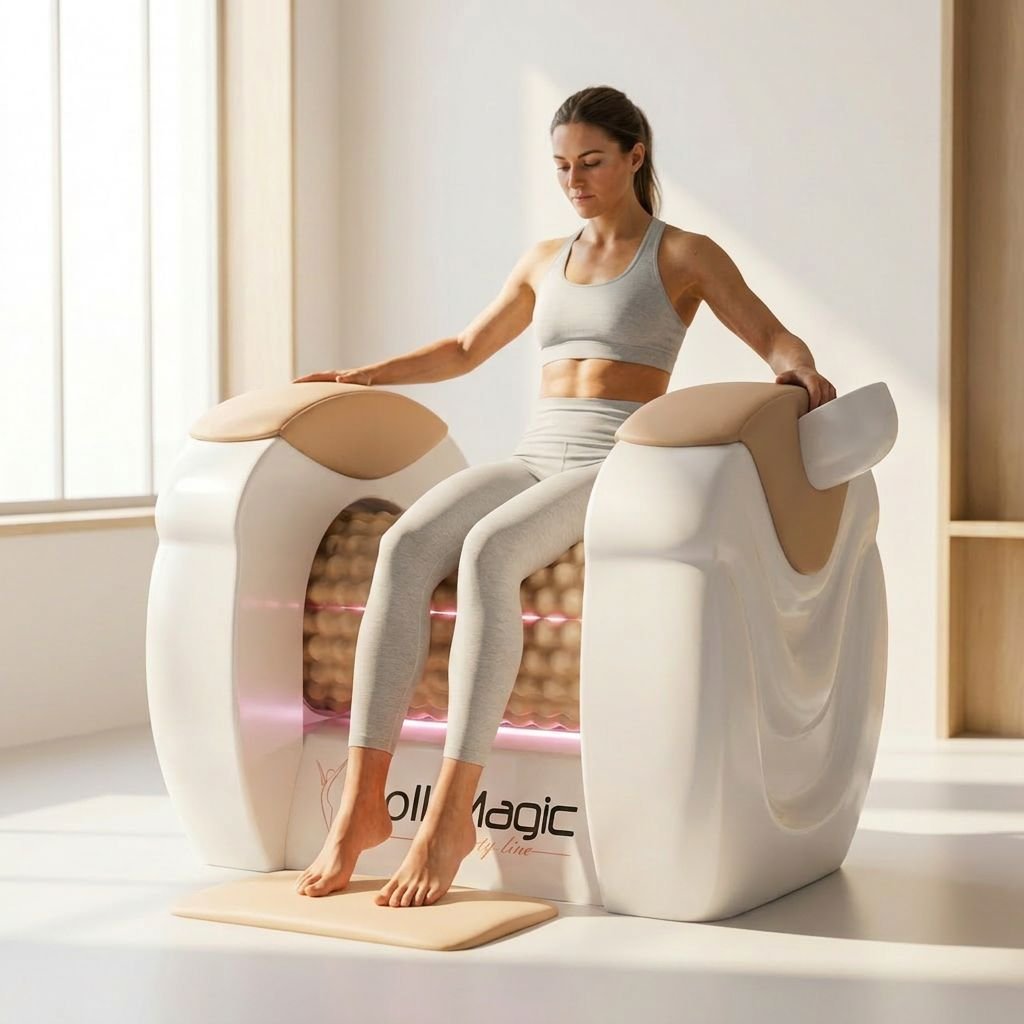
Unlike traditional massage that requires a therapist, a body roller puts the power of deep tissue stimulation directly in your hands. Modern body rollers range from simple textured foam cylinders to advanced vibrating massage rollers that combine mechanical pressure with therapeutic vibration frequencies
The 9 Proven Body Roller Benefits
1. Reduces the Appearance of Cellulite
Cellulite affects approximately 80–90% of women at some point in their lives, and while it is completely normal, many people seek ways to minimise its appearance. Body rolling is one of the most evidence-supported at-home approaches.
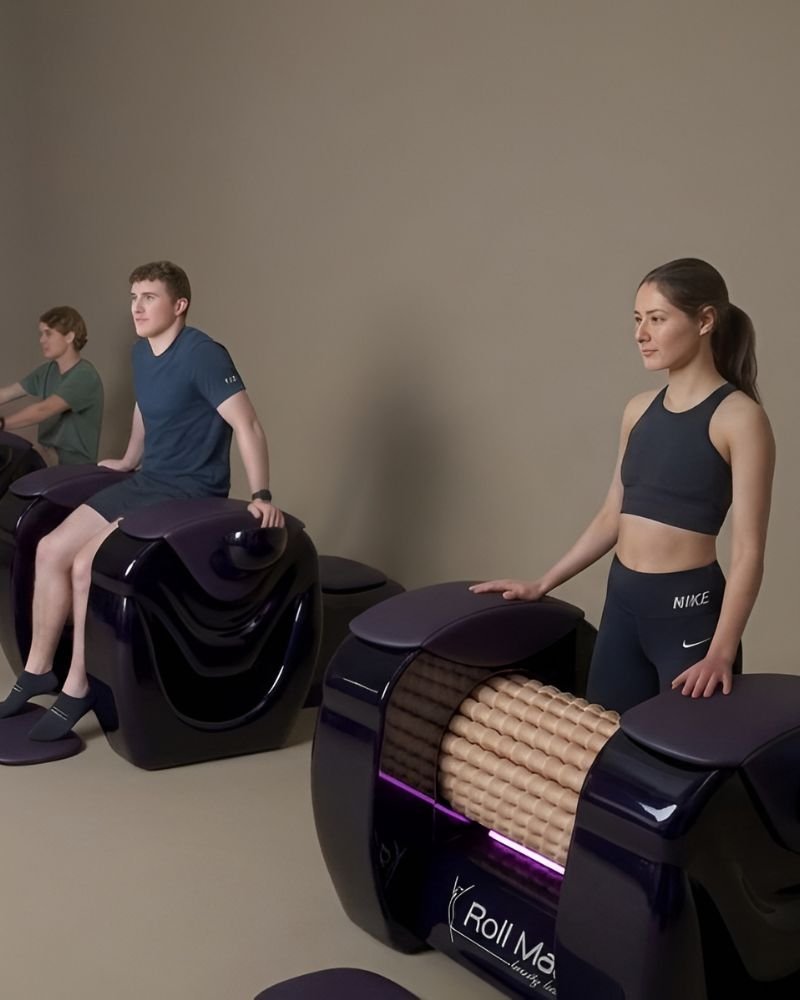
When you roll over cellulite-prone areas like the thighs, buttocks, and stomach, the mechanical pressure does three important things:
- Breaks down fibrous septae — the connective tissue bands that pull skin downward, creating the dimpled appearance
- Stimulates lymphatic drainage — reducing fluid retention and puffiness that makes cellulite more visible
- Increases local circulation — delivering oxygen and nutrients to the skin layers, improving elasticity and tone
Consistent daily rolling of 5–10 minutes per area over 4–8 weeks is associated with measurable reductions in skin dimpling and improvements in skin firmness in multiple clinical studies.
2. Boosts Lymphatic Drainage
Your lymphatic system is the body’s waste management network — responsible for collecting metabolic waste, excess fluid, toxins, and immune cells from your tissues and returning them to the bloodstream for processing.
Unlike your cardiovascular system, the lymphatic system has no pump. It relies entirely on muscle movement, breathing, and external pressure to circulate. This makes it uniquely responsive to the mechanical stimulation provided by body rolling.
Regular rolling over the skin in the direction of lymphatic flow — from the extremities toward the torso — activates lymphatic vessels and accelerates fluid movement. The result:
- Reduced puffiness and water retention, particularly in the legs and ankles
- Improved immune function as lymph nodes process waste more efficiently
- Faster recovery from illness, injury, or post-surgical swelling
- A general feeling of lightness and reduced bloating
3. Improves Blood Circulation
Every time a body roller passes over your skin, it creates a localised increase in blood flow to that area — a process known as hyperaemia. This is why your skin often looks slightly flushed and feels warm after rolling.
This increased circulation matters enormously for skin health. Blood carries oxygen, collagen-building nutrients, and growth factors directly to the dermal layers. With regular stimulation, skin cells receive better nourishment, leading to:
- A brighter, more even skin tone
- Improved skin texture and elasticity
- Faster healing of minor blemishes and surface imperfections
- A natural, lasting glow without any skincare products
4. Relieves Muscle Tension and Soreness
This is where the body roller overlaps significantly with deep tissue massage techniques. When muscles are overworked, they develop tiny adhesions and knots in the muscle fibres — areas where the tissue has essentially stuck together, restricting blood flow and causing that familiar ache.
Rolling applies sustained myofascial pressure that helps release these adhesions, much like a therapist’s elbow or thumb. Research published in sports medicine journals consistently shows that foam rolling and massage roller use before and after exercise:
- Reduces delayed onset muscle soreness (DOMS) by up to 50%
- Increases range of motion and joint mobility
- Decreases perceived muscle fatigue during recovery
- Accelerates return to full performance between training sessions
5. Breaks Down Fascial Adhesions (Myofascial Release)
Fascia is the thin, web-like connective tissue that surrounds every muscle, organ, and bone in your body. When fascia becomes tight, inflamed, or develops adhesions — often from sedentary posture, overuse, or injury — it restricts movement and contributes to chronic pain and tension.
Body rolling performs a form of self-myofascial release (SMR) — applying targeted pressure to trigger points in the fascia to soften and lengthen the tissue. This is why many physiotherapists and sports scientists now recommend foam rollers and massage rollers as essential recovery tools.
6. Supports Body Sculpting and Contouring
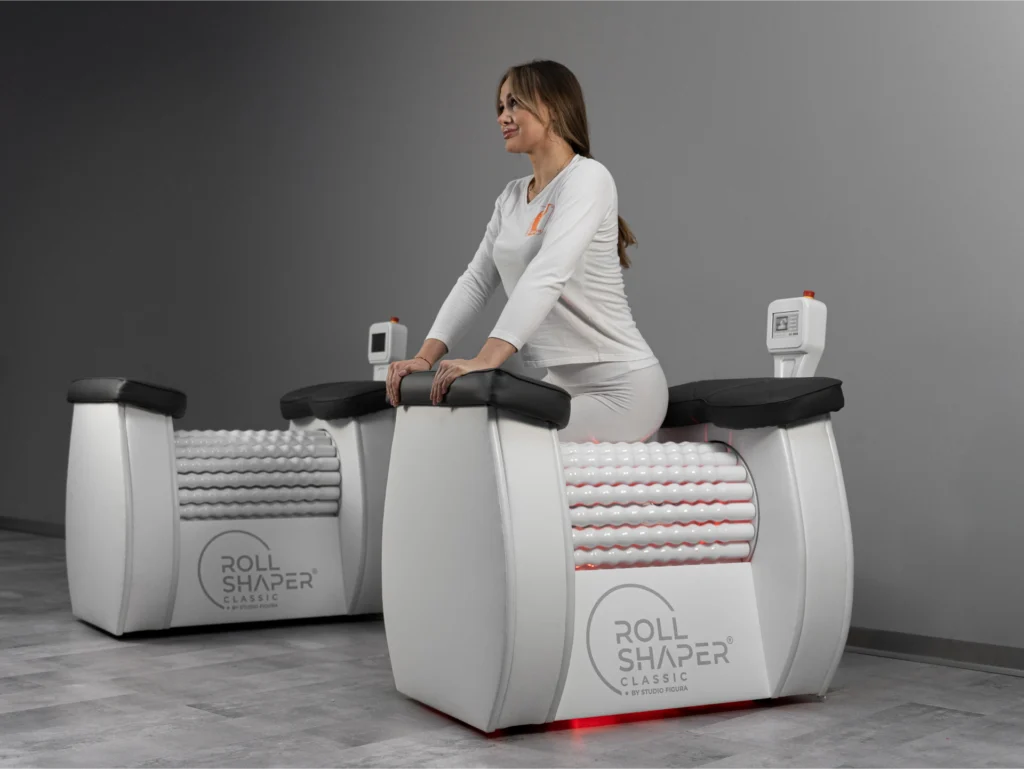
While no roller alone will reshape your body structure, consistent body rolling plays a powerful supporting role in any body sculpting or contouring routine. By reducing subcutaneous fluid retention, improving skin tightness, and stimulating the underlying muscle tissue, regular rolling creates a visibly firmer, more toned appearance.
Many body sculpting clinics and professionals recommend incorporating daily body rolling alongside treatments like non-surgical body sculpting to enhance and prolong results. For home users pursuing a body contouring routine, the roller accelerates visible changes by keeping the lymphatic system active between sessions.
7. Enhances Skin Texture and Stimulates Collagen
The repetitive, controlled pressure of a body roller stimulates fibroblasts — the cells responsible for producing collagen and elastin in the skin. With regular use, this leads to measurably firmer, plumper skin that shows fewer fine lines and improved overall texture.
This is one of the reasons body rolling has gained serious attention in the skincare community, sitting alongside gua sha body massage and dry brushing as a non-invasive method to improve skin quality without chemicals or procedures.
8. Reduces Stress and Promotes Relaxation
There’s a reason massage makes you feel so good — the mechanical stimulation of soft tissue triggers a release of endorphins and serotonin while lowering cortisol levels. Body rolling, particularly when done with a slow, rhythmic technique on larger muscle groups, activates the parasympathetic nervous system — the body’s rest-and-digest mode.
A 5-minute rolling session before bed can meaningfully reduce evening tension, improve sleep quality, and support recovery from the physical and mental demands of the day.
9. Improves Absorption of Skincare Products
When you roll before applying body oil, moisturiser, or anti-cellulite products, you dramatically increase their absorption. Rolling creates micro-channels of increased circulation at the skin surface and temporarily opens pores, allowing active ingredients to penetrate deeper into the dermis where they can actually work.
This is why using a body roller in combination with a quality massage or body oil amplifies the results of both. Look for products containing caffeine, retinol, or collagen-stimulating peptides for maximum benefit when applied post-rolling.
How to Use a Body Roller for Best Results
Technique matters. Used correctly, a body roller delivers all the benefits above. Used without proper technique, you may see reduced results or cause unnecessary discomfort.
- Apply gentle to moderate pressure — your roller should feel firm but never painful
- Roll slowly — 1–2 seconds per centimetre of movement allows the tissue time to respond
- Focus on each area for 60–90 seconds before moving on
- Roll in the direction of lymphatic flow where possible (toward the heart)
- For cellulite: use upward strokes with slightly more pressure on the textured surface
- For muscle recovery: focus on the belly of the muscle, avoiding bony structures and joints
- For lymphatic drainage: use light, fast strokes with minimal pressure — the lymphatic system sits just beneath the skin
- Follow with 250ml of water to support lymphatic flushing after rolling
Frequently Asked Questions — Body Roller Benefits
Q: How long does it take to see results from using a body roller? + -
A: Most people notice improved skin texture and reduced puffiness within 1–2 weeks of daily use. Visible cellulite reduction and measurable skin firming typically develops over 4–8 weeks of consistent use.
Can I use a body roller every day? + -
Yes — daily use is safe and recommended for most people. Start with lighter pressure and shorter sessions (5 minutes per area), then gradually build to 10–15 minutes as your skin and connective tissue adapt.
Is a body roller better than dry brushing? + -
Both tools offer benefits, but they work differently. Dry brushing exfoliates the skin surface and stimulates superficial lymphatics. A body roller penetrates deeper, reaching the fascial layer and providing myofascial release, stronger lymphatic stimulation, and more targeted muscle relief. Many wellness practitioners recommend using both.
Should I use a body roller before or after my shower? + -
Both have advantages. Rolling before a shower opens circulation and is ideal for lymphatic drainage. Rolling after a shower — on warm, softened skin — allows deeper tissue penetration and is better for fascial release and muscle recovery. For skincare benefits, roll on dry skin before applying body oil.
Can a body roller help with back pain? + -
Yes — foam rollers and massage rollers are widely recommended by physiotherapists for relieving tension in the back muscles and along the thoracic spine. Avoid rolling directly on the lower lumbar region; focus instead on the mid and upper back muscles, and the gluteal muscles that connect to the lower back.
The Bottom Line
The body roller benefits are far more than skin-deep. From stimulating your lymphatic system and breaking down cellulite to releasing tight fascia and accelerating muscle recovery, consistent rolling is one of the most accessible, cost-effective wellness investments you can make.
Unlike expensive clinic treatments, a quality body roller puts the power of therapeutic massage into your own hands — available daily, at any time, in the comfort of your home.
Start with five minutes per target area each day. Within weeks, you’ll understand why body rolling has become a cornerstone of wellness routines across Australia.